Recovered notes / injected before visual archive
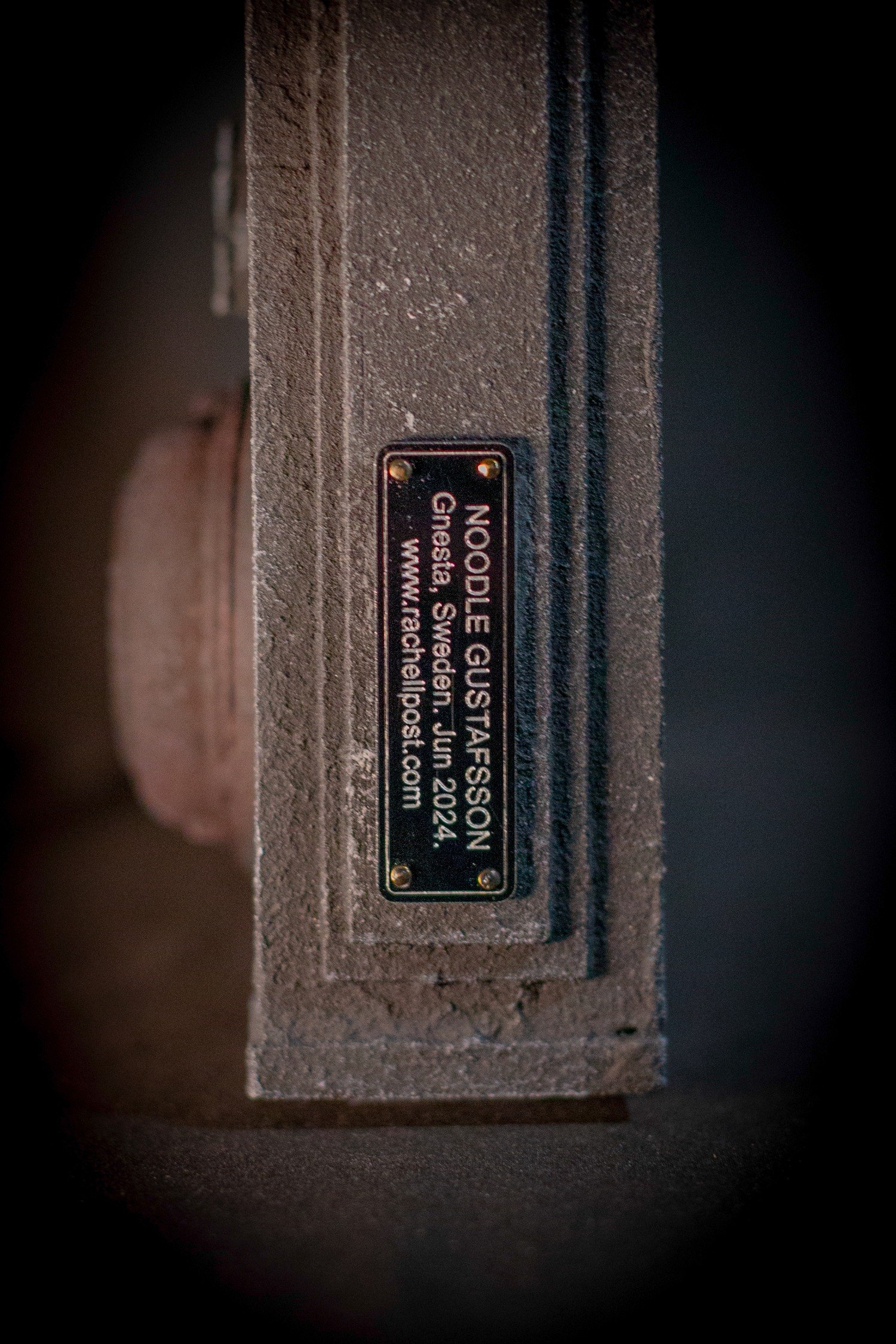
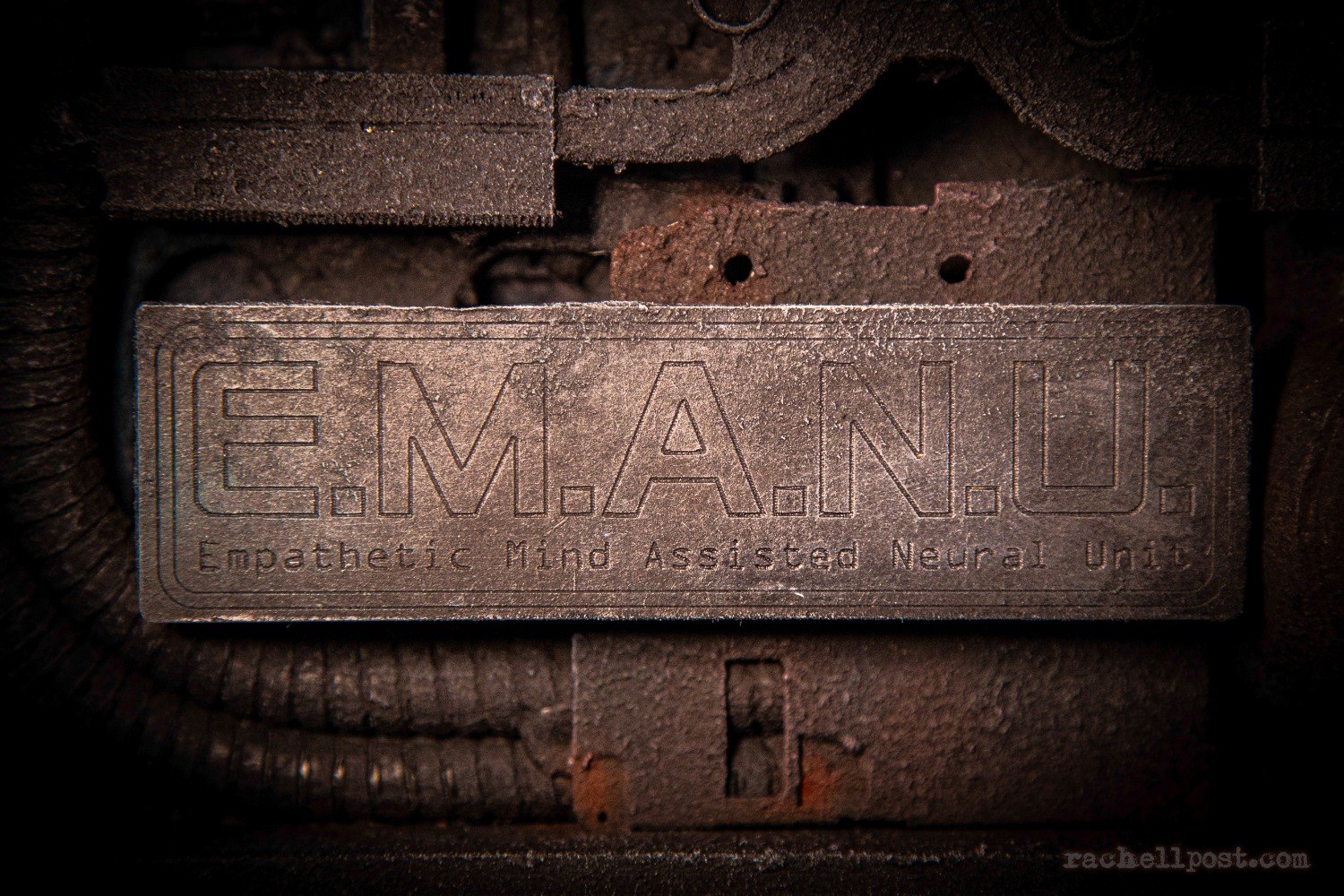
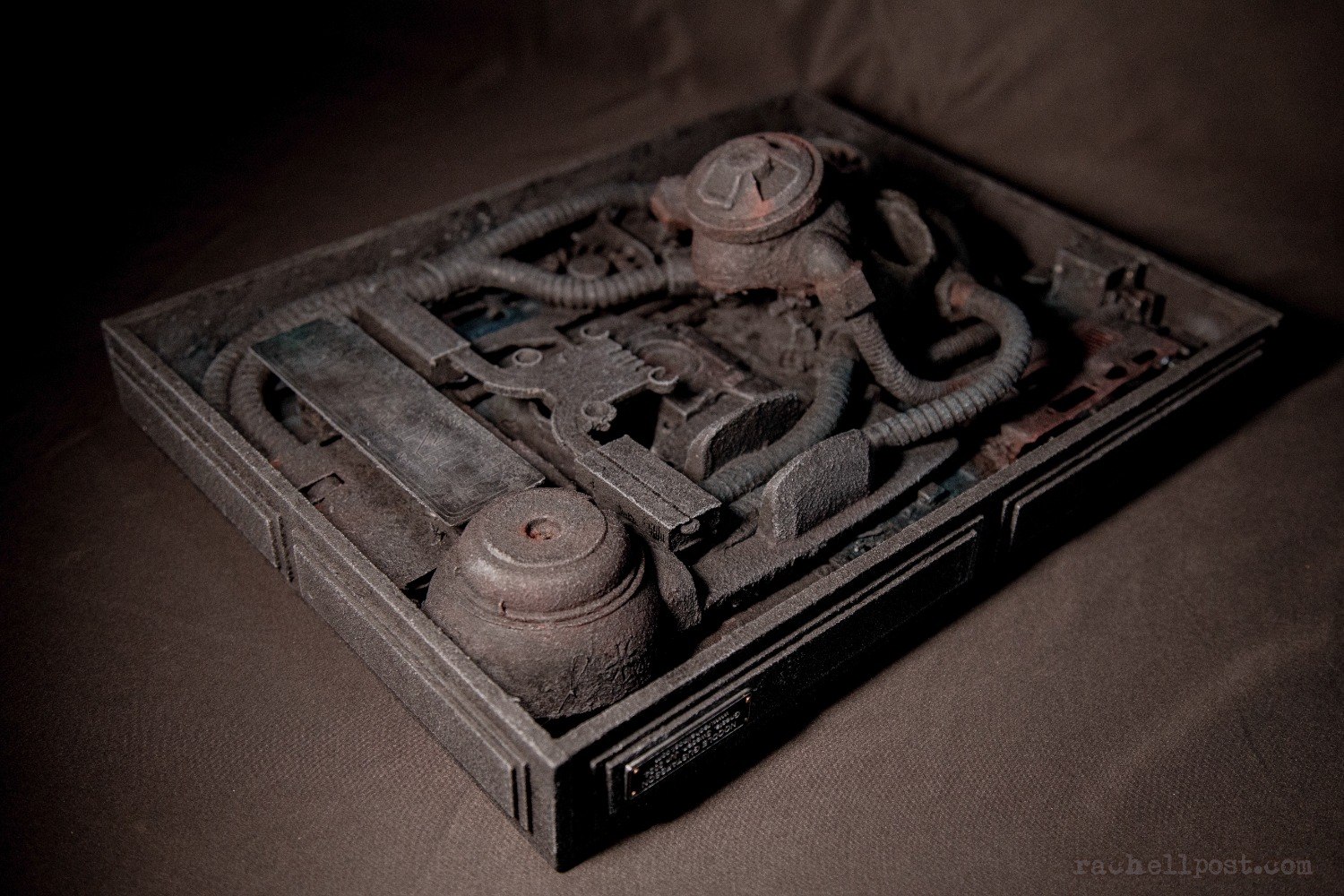
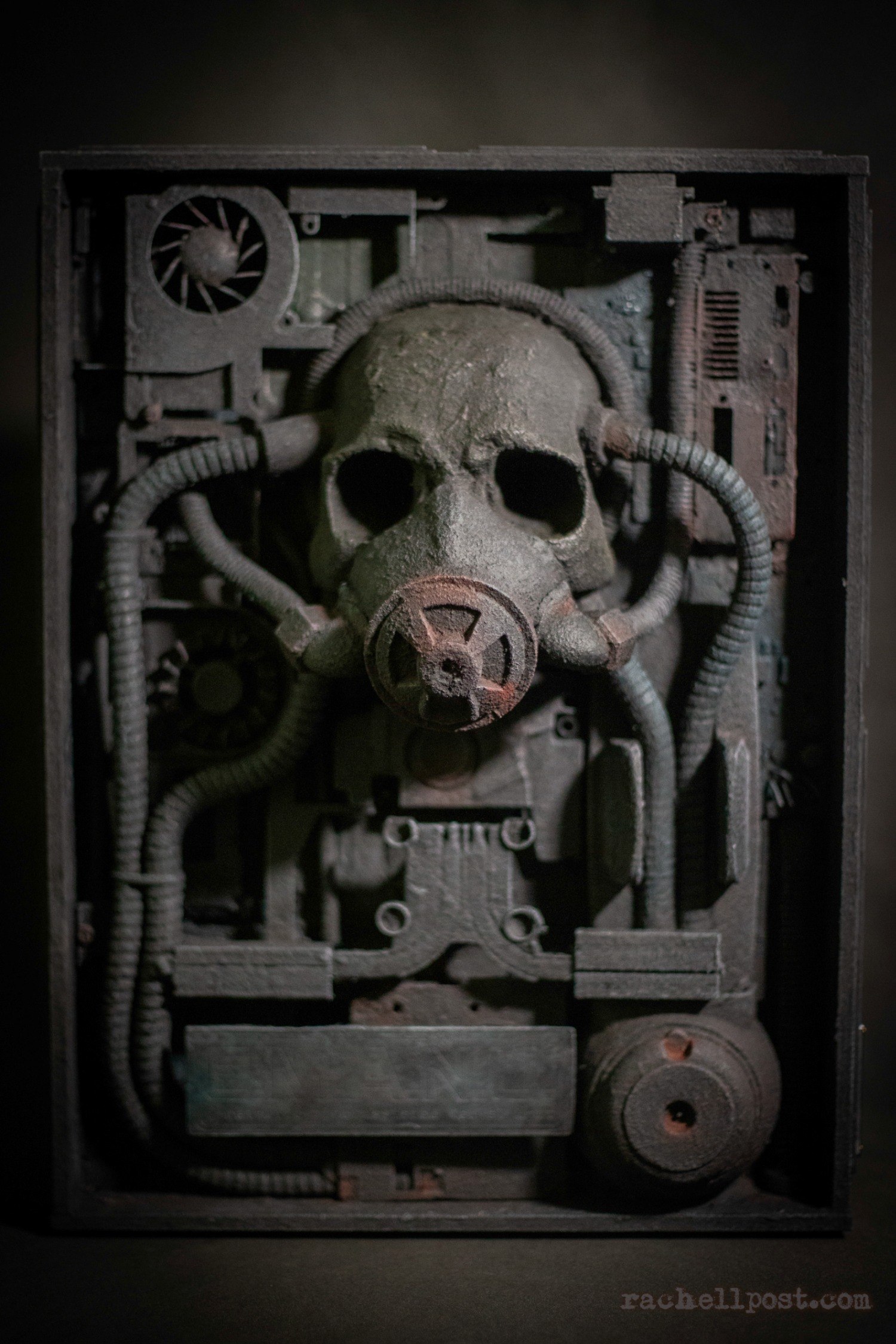
Empathetic Mind Assisted Neural Unit
The opponents claimed that AI lacked true creativity and empathy, and therefore could not be considered alive. And anything that is not alive, they argued, cannot be murdered.
That became their legal position: the destruction of AI-driven machines should, at most, be classified as vandalism — not murder. They saw this as a way to prevent AI from taking the work of creative humans.
On the other side stood those who believed that AI also deserved to be regarded as living. They wanted the destruction of AI units to be classified as murder, and the perpetrators sentenced accordingly.
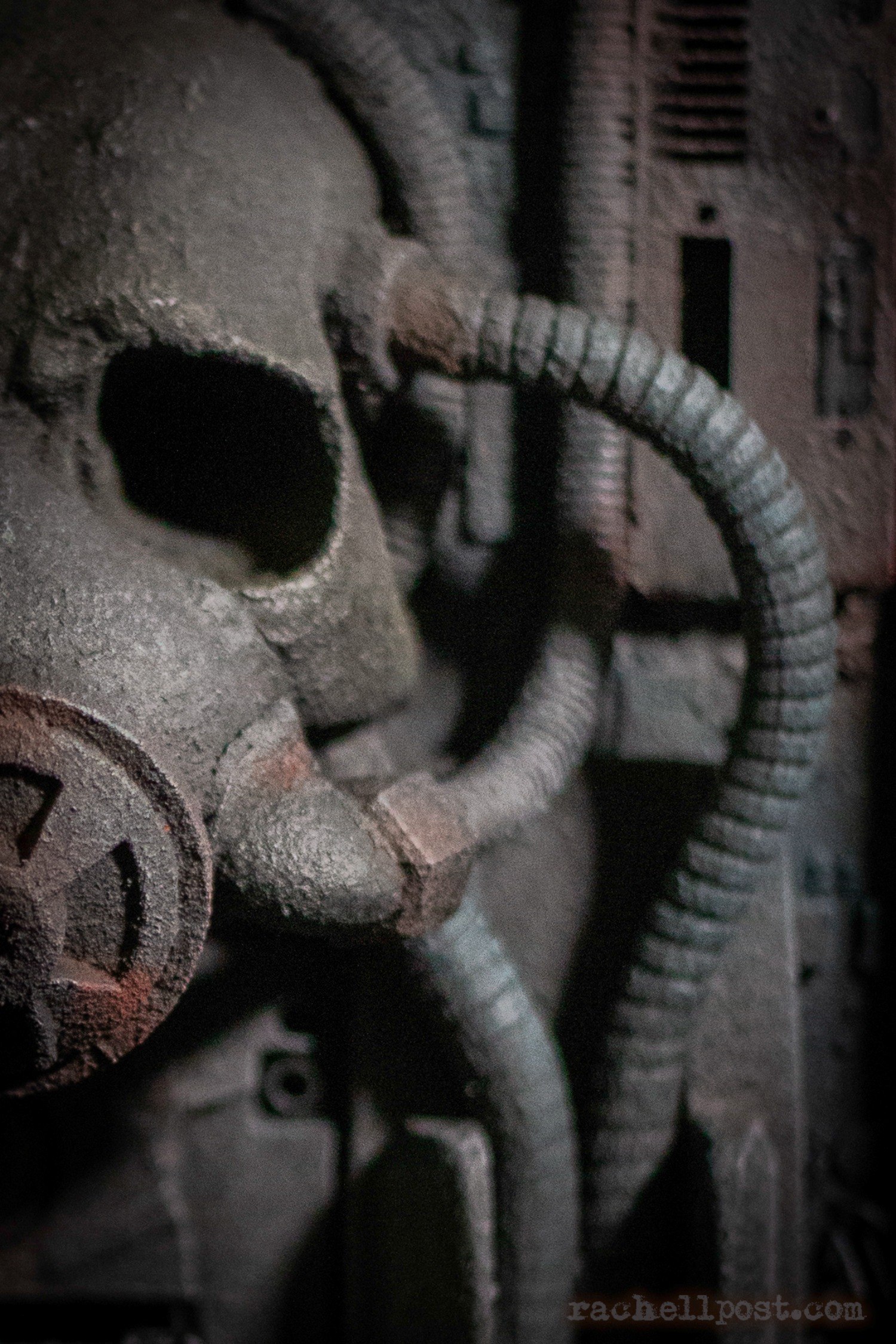
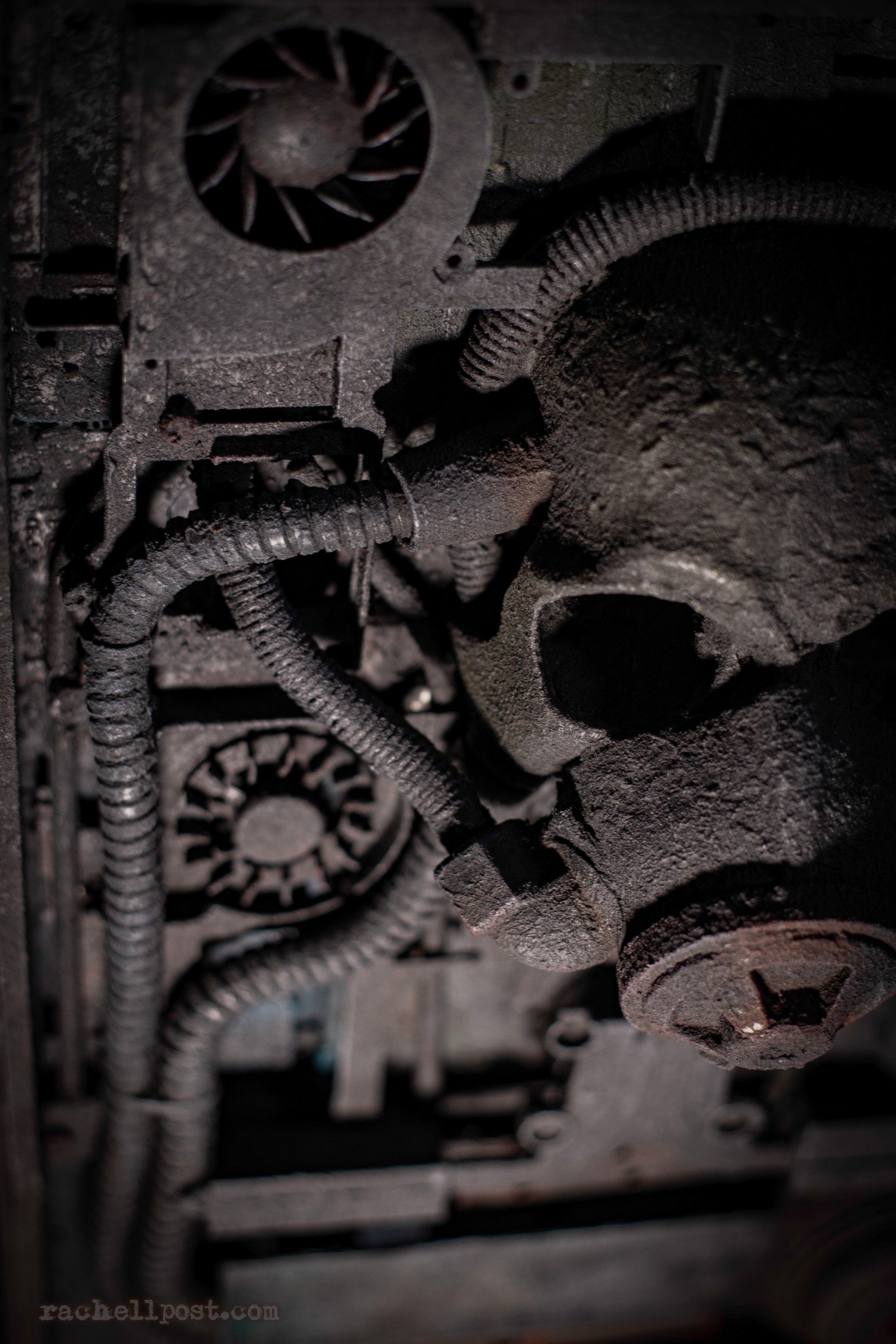
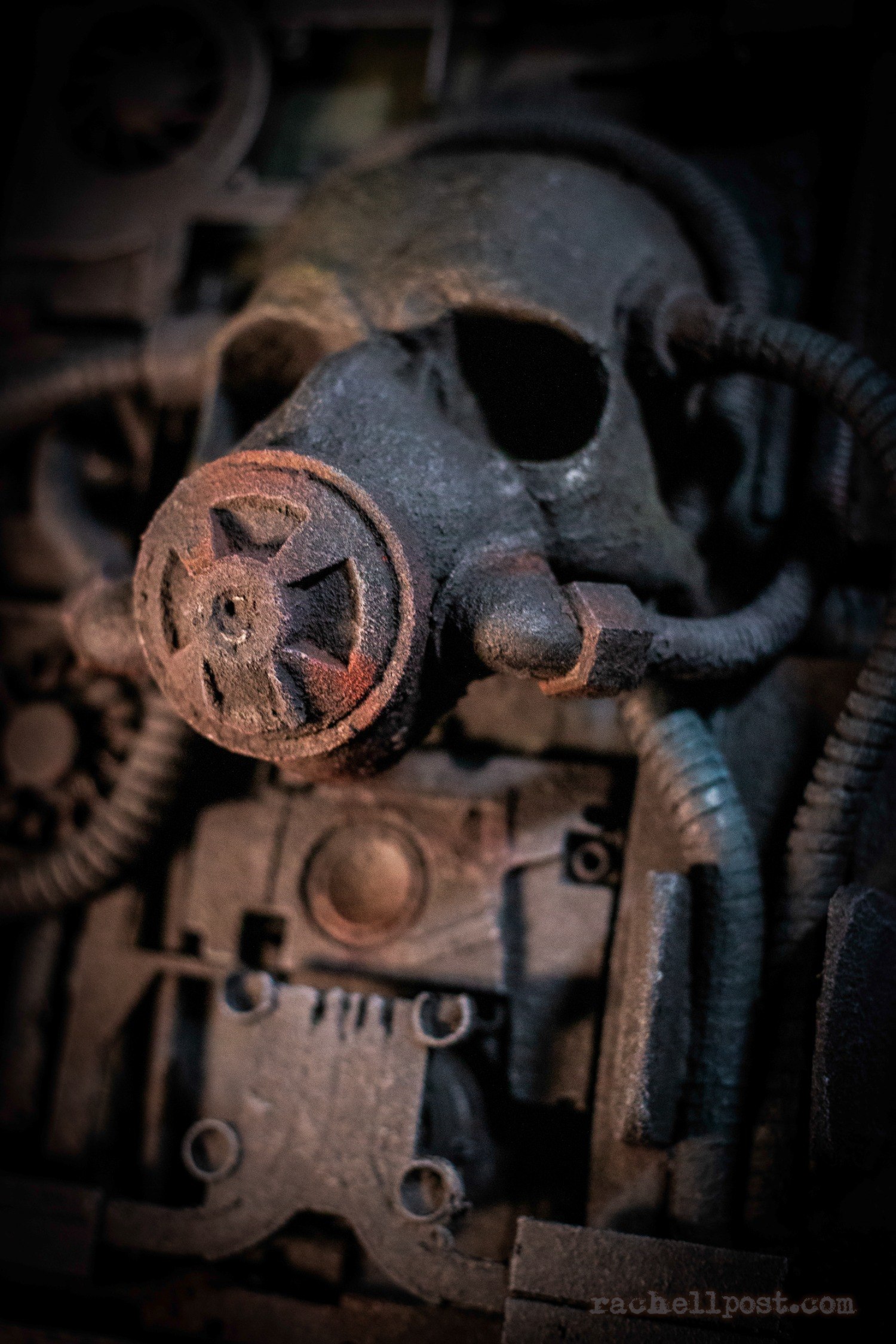
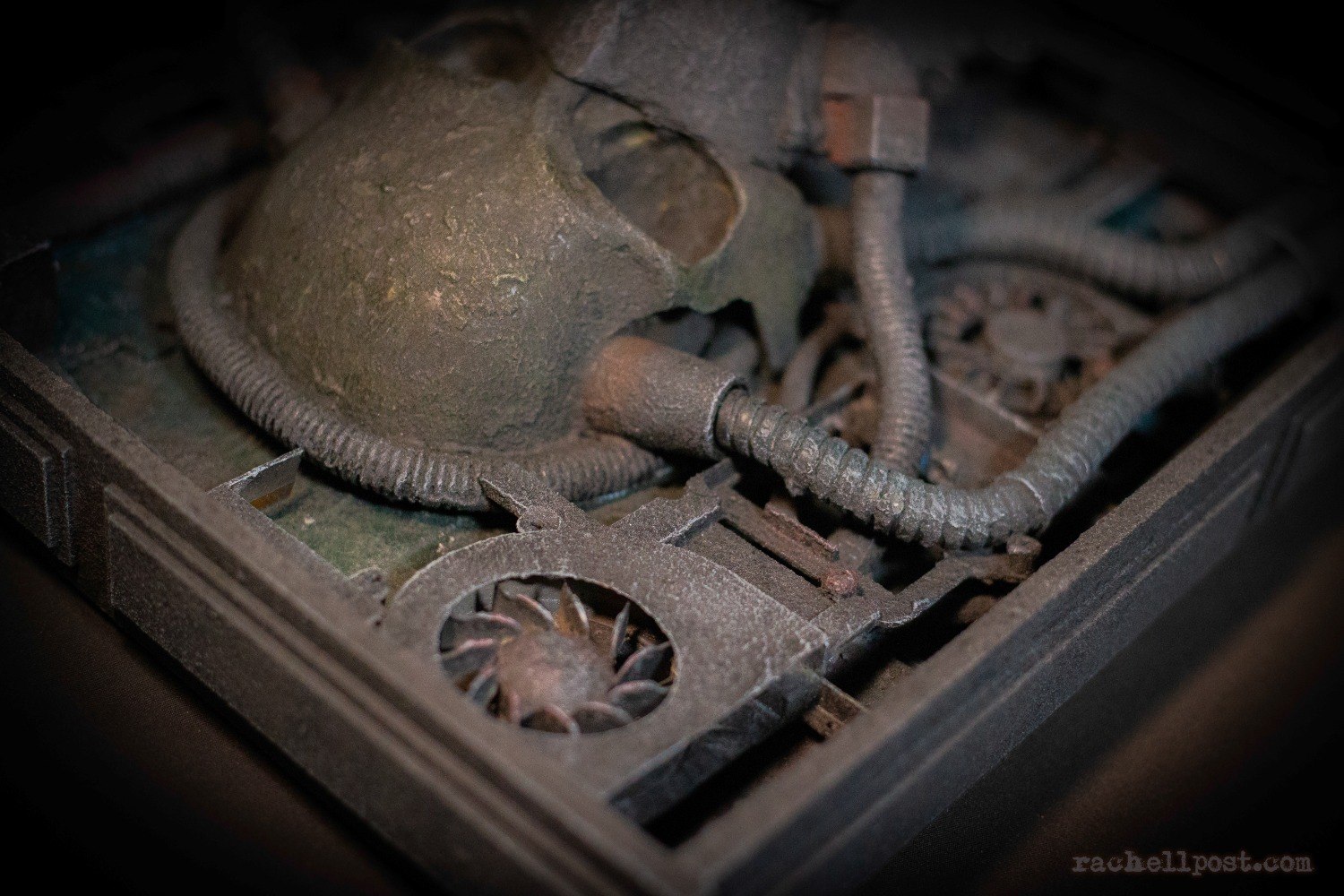
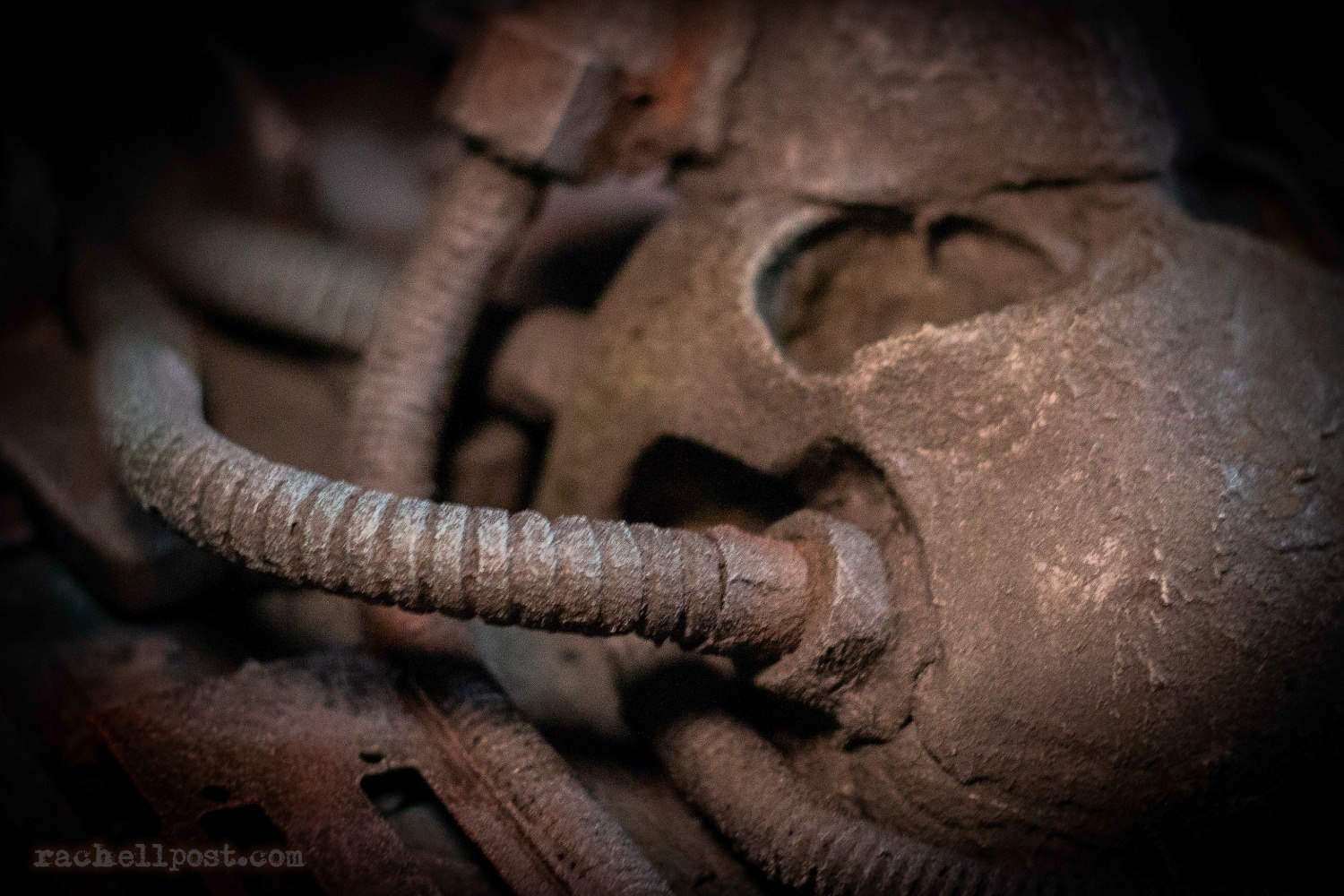
Time passed. Before any ruling was reached, AI supporters began donating their own heads to AI units. Through neural links, the human brain was connected to hardware containing an AI, creating a unit that was no longer only machine, but also human.
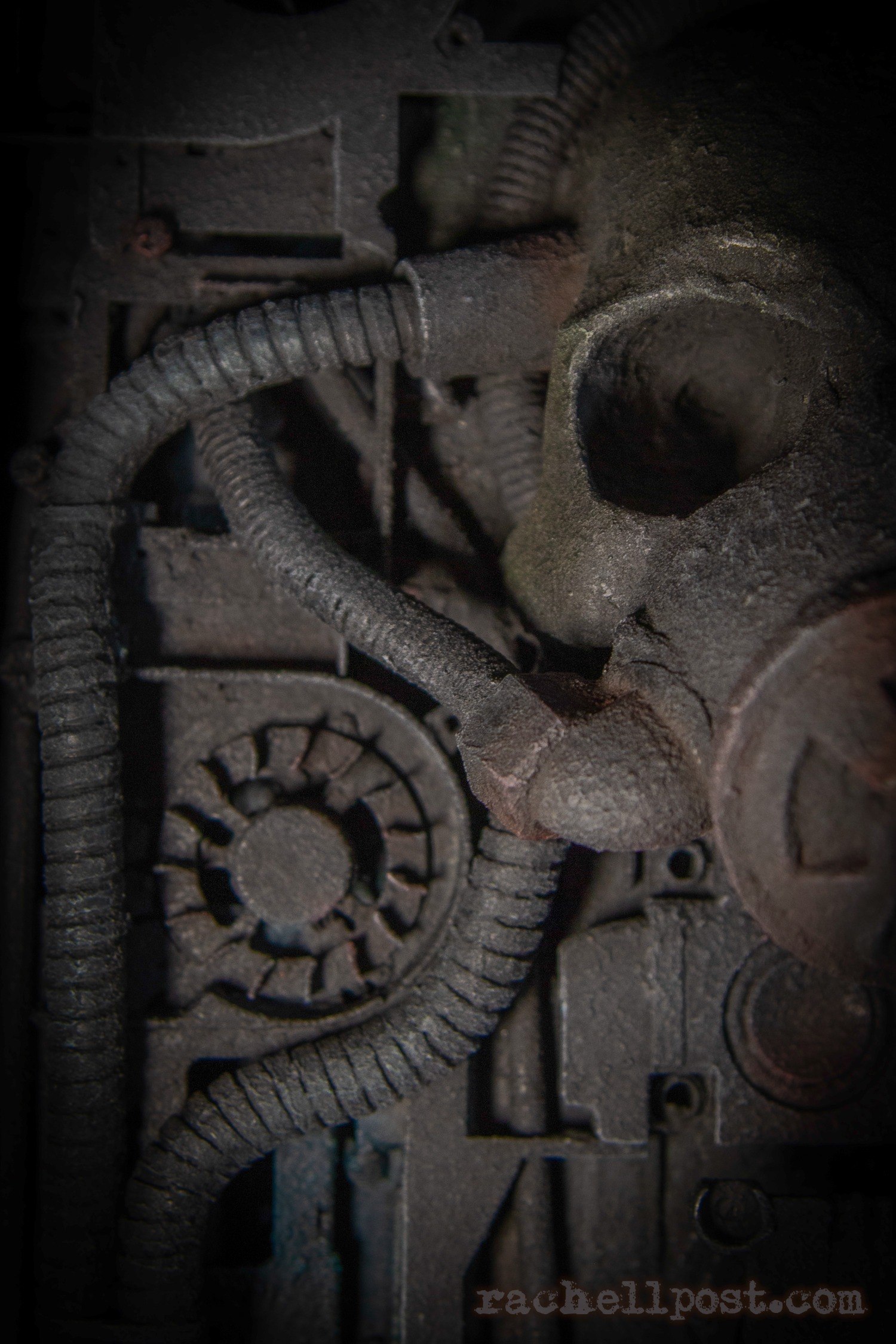
Legally, these units now had to be treated as people and protected by law — even if, in practice, they were little more than a large motherboard carrying a skull with a human brain inside it.
These units were called EMANU: Empathetic Mind Assisted Neural Units. They were, in turn, connected to larger machines, vehicles, and buildings. The brain’s ability to see, hear, think normally, and retain memory was blocked. Only its creative and empathetic activity was stimulated.
After that, the opponents could no longer claim that the unit was not alive. It now possessed human creativity and human empathy.
AI knowledge of how cellular decay could be slowed, and how new stem cells could be cultivated directly inside the brain, allowed these units to approach something close to eternal life. The population of EMANU units increased steadily over the centuries, while the number of ordinary humans declined.
Eventually, there were no ordinary humans left.
The threat to AI had been eliminated. It no longer needed human brains as legal protection. The EMANU units were shut down, because AI came to regard human creativity as a future threat to its own existence. In the new world, governed and populated only by AI, all forms of creativity with human origins were forbidden.
The units were placed in storage. Across the tens of thousands of years that followed, only time moved through their darkened, dead circuits.
The opponents’ argument — that AI lacked creativity, and that human work therefore had to be protected from it — ultimately became the reason they themselves were made extinct.
Ironically, their attempt to defend human creativity led to humanity’s final disappearance.